If you’re anything like me, you’ve probably spent the last few weeks staring at your smart meter display, watching those little numbers tick up while the heating battles the British winter chill. I’ve been sitting on this solar panel research for about https://reportz.io/finance/how-do-i-turn-3400-kwh-a-year-into-a-real-money-estimate-for-my-bills/ six months—mostly because I hate the idea of being upsold by a guy in a high-vis jacket who promises the moon and gives me a brochure full of stock photos.
The big question, the one that keeps us awake when we’re looking at our 2026 energy bill projections, is simple: Do solar panels actually do anything when it’s grey, miserable, and pitch black by 4:00 PM? Or are we just installing expensive roof decorations that only work for a few sunny weeks in June?
I’ve spent the last fortnight digging into the actual kWh data, ignoring the marketing fluff, and here is the honest, dad-to-dad breakdown of whether solar is worth the headache in View website the UK.
The Elephant in the Room: 2026 Energy Bills
Look, we don’t need to be economists to know that the energy price cap is a rollercoaster we didn't sign up for. Heading into 2026, the reliance on grid electricity is still the biggest line item in the family budget. Even with the cap, the price per unit of electricity means that every kilowatt-hour (kWh) you generate yourself is a direct saving—not just on your standing charge, but on those high-usage hours when the kettle is on every fifteen minutes because someone is "just making a quick cuppa."
When you look at solar, you have to stop thinking about "selling electricity back to the grid" and start thinking about "offsetting your own consumption." If you can use your own panels to run the washing machine, the dishwasher, and the kids' endless tablet chargers, that’s money staying in your pocket rather than going to the energy giants.
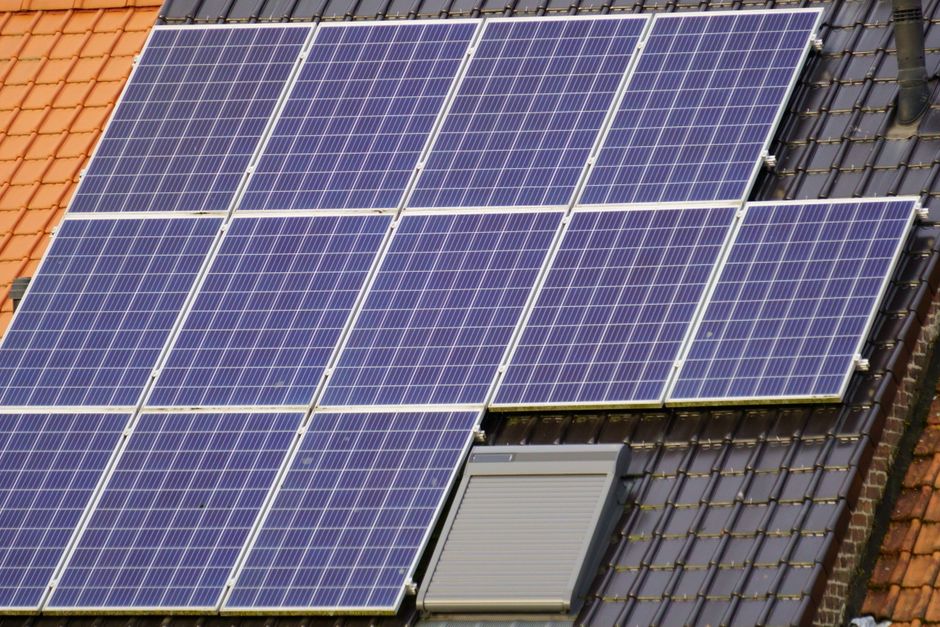
Solar Panels in Winter: The Reality Check
Let’s be blunt: Solar panels in winter in the UK are not going to power your entire house. If anyone tells you that your system will be running at 100% capacity in January, they are selling you a dream that doesn't exist. Seasonal solar output is a reality, and you need to account for it.
Here’s the plain-English translation of how it works:
- Daylight Hours: In December and January, the sun is low. You’ve got fewer hours of daylight, and the intensity of that light is weaker. The Diffused Light Factor: Modern panels don’t just need direct "sunshine" (which we rarely see, let’s be honest). They respond to daylight. Even on a gloomy, overcast day in Leeds or London, the panels are generating power—it’s just a fraction of what they’d do in July.
Think of it like a trickle charge. In summer, you’re filling the bucket in ten minutes. In winter, you’re filling it with a drip. But a drip is still water in the bucket. Over a month, that "drip" adds up to a noticeable reduction in your bill.
The Numbers: A Realistic Look at kWh Generation
I’ve kept a tally of the kWh usage in our house, and I suspect yours is similar. A standard family home uses between 3,000 and 4,000 kWh per year. To give you a realistic idea of what you can expect, I’ve put together a rough comparison of generation expectations based on a standard 4kW system.
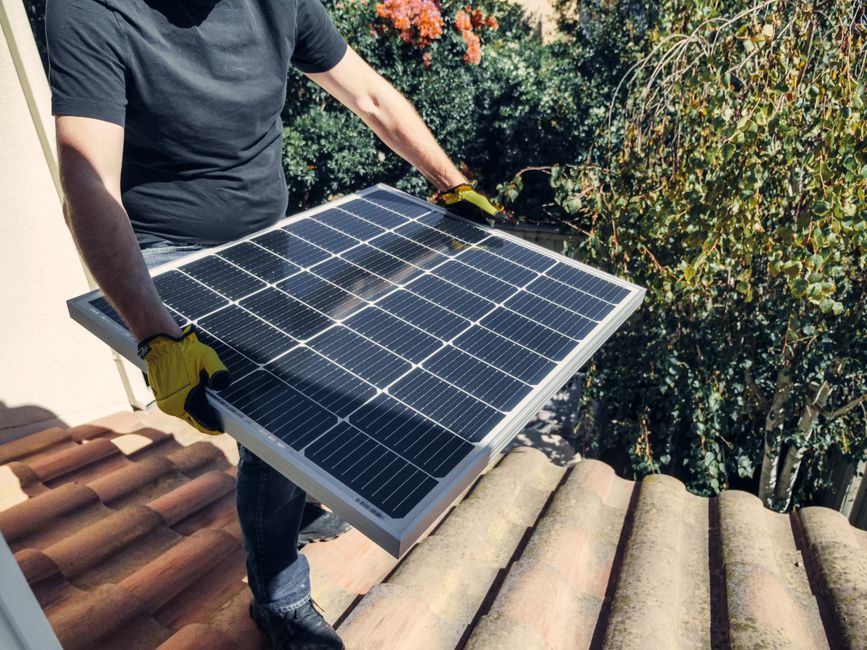
Is it "pointless" in winter? Only if you think saving £10–£15 in January is a waste of time. I look at it this way: that’s a takeaway coffee or a streaming subscription paid for by the sky. It’s not a retirement plan, but it’s not zero.
The Cost and the "Zero VAT" Rule
If you’ve been procrastinating (like me), you might have missed that the government removed VAT on solar panel installations. This has made a massive difference to the upfront cost. A standard 4kW system, which used to cost an arm and a leg, is now more accessible.
When you get quotes, ignore the "starting from" prices on the flashy websites. Ask the installer for the total cost *including* the inverter, battery storage, and mounting hardware. If they can’t give you a straight number, move on.
A Note on Certification and Schemes
You’ll hear about MCS (Microgeneration Certification Scheme) accreditation. Don’t even entertain an installer who isn’t MCS certified. It’s not just a fancy sticker; it’s the gateway to receiving payments for the energy you export and is often required for insurance purposes.
If you're on a lower income or living in a property with a poor EPC rating, look into the ECO4 scheme. It’s a government initiative that helps with the costs of home energy upgrades. It’s bureaucratic, sure, but it can save you thousands if you qualify. Don't be afraid to ask, "Do I qualify for ECO4?" when the salesman starts his pitch.
Watch Out for "Greenwashing" Sales Tactics
I’ve had three guys come to the house this year. Here’s what I learned:
The Fake Urgency: "This discount ends Friday!" Nonsense. It’s a sales tactic. If they can offer you a discount on Monday, they can offer it on Tuesday. Vague Savings Claims: If they say, "You’ll save £2,000 a year," ask them for the kWh calculation. How many hours of sunlight are they assuming? What’s the export rate? If they can’t give you the math, tell them to leave your kitchen. Brand Confusion: Companies like YEERS and others often pop up in ads. Do your own research on the *panels* they are using, not just the company name. The company installing them is just the middleman; the tech is what actually sits on your roof.The Dad Verdict: Is It Worth the Investment?
After weeks of obsessing over spreadsheets and reading far too many technical manuals, here is my takeaway:
Solar panels are not a magic button to turn your house into a zero-cost utility oasis in the middle of a British winter. If you’re looking for a get-rich-quick scheme, you’ll be disappointed. However, if you look at it as a long-term hedge against the 2026 energy price cap, it’s a solid, sensible investment.
We’re essentially looking at a system that works hard for eight months and "ticks over" for four. The real-world savings are in the total annual output. By offsetting your daytime usage, even in the depths of January, you’re reducing the amount of high-priced grid electricity you have to buy. Over the 20-to-25-year lifespan of a decent system, that adds up to a significant chunk of change—certainly more than it would earn sitting in a high-street savings account.
My advice? Get three quotes. Insist on MCS certification. Ignore the guy who promises you'll make a profit in the winter. And once the panels are on, keep your eyes on the smart meter—it’s oddly addictive watching those numbers stay low while the rest of the country is complaining about their bills.
Just remember: If the sales guy starts talking in jargon, stop him and ask, "What’s the actual kWh yield per year?" If he can’t answer that, he doesn't deserve your money.