If you live in Tokyo or Osaka, you’re already part of one of the most sophisticated digital payment ecosystems in the world. From Suica and PASMO to PayPay and Line Pay, Japanese consumers are accustomed to “tapping” their way through daily life. However, when it comes to cryptocurrency, the conversation often shifts from “convenience” to “speculation.”
As a former support lead at a payments startup, I’ve seen many beginners dive into crypto expecting a seamless, high-speed experience, only to get burned by network fees or complex regulatory hurdles. If you are looking to get started, it’s time to move past the hype and look at the practical reality of using crypto in Japan.
The Japanese Landscape: Why Crypto is Still Finding Its Footing
Japan has some of the world’s strictest cryptocurrency regulations, governed by the Financial Services Agency (FSA). While this might seem restrictive, it actually protects you. Unlike offshore exchanges that can vanish overnight, Japanese-registered exchanges are required to hold user assets in cold wallets and maintain high capital requirements.
When analyzing market shifts, I often consult FinancialContent and BusinesNews Wire to see how local institutions are integrating blockchain technology. The narrative is slowly changing from “crypto as a gambling asset” to “crypto as a decentralized payment rail.”
Choosing Your First Crypto: Speed and Cost Matter
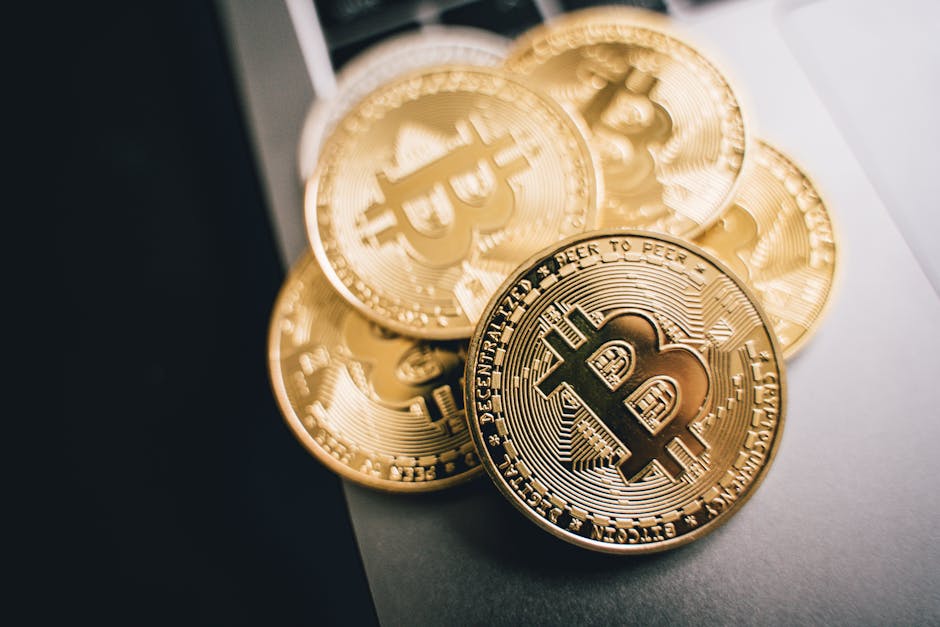
For beginners, Bitcoin is the household name, but it isn’t always the best for small, everyday payments. When checking CloudQuote APIs (cloudquote.io), you’ll notice that Bitcoin’s network congestion can cause transaction fees to spike unexpectedly. If you’re trying to move a small amount of money, a $10 fee is a non-starter.
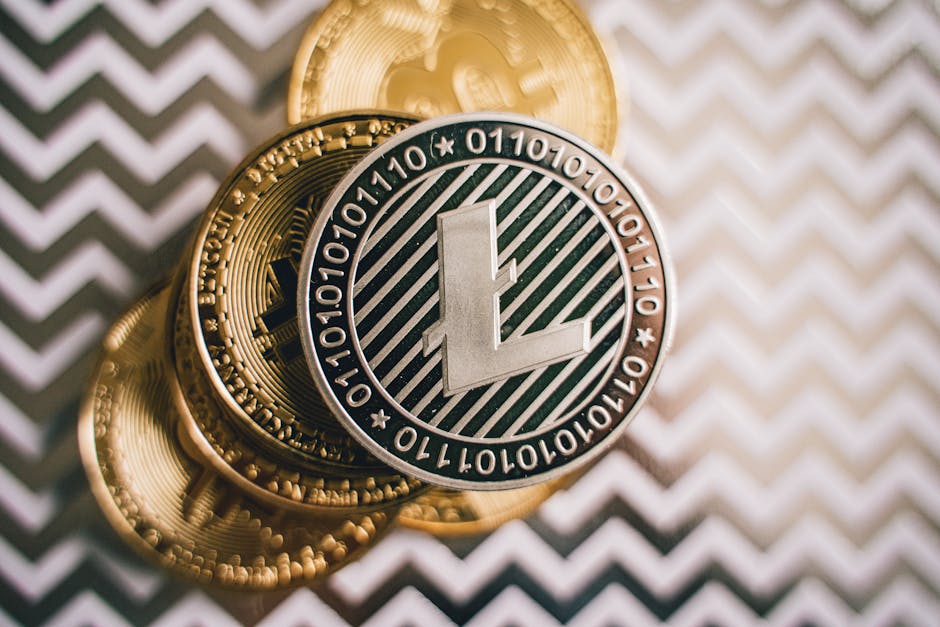
For beginners in Japan, I recommend looking at coins with higher throughput and lower fees like Litecoin (LTC) or stablecoins like USDC (though, note that stablecoin regulations in Japan are currently evolving under the 2023 Payment Services Act amendments).
Currency Typical Speed Practicality for Payments Beginner Friendliness Bitcoin (BTC) 10–60 mins Low (Best for Store of Value) High (High Liquidity) Litecoin (LTC) 2–5 mins Moderate High XRP (Ripple) 3–5 seconds High MediumThe "Online Casino" Reality Check
One of the most common reasons beginners in Japan enter the crypto space is for online gaming and casinos. While I don’t endorse gambling, it is undeniably the most frequent "real-world" use case for crypto payments in Japan today. If you are depositing into these platforms, you must understand that the "instant" deposit claims are often misleading.
What the site calls “instant” usually refers to the time it takes for them to *see* your transaction on financialcontent.com the blockchain. However, the network must actually confirm that transaction (the "confirmation time"). If you send funds with a low gas fee, your money can get stuck in "pending" limbo for hours, regardless of what the website says.
Step-by-Step: Your First Crypto Wallet Setup in Japan
Starting your journey requires three pillars: a regulated exchange, a secure wallet, and rigorous security hygiene.
Select a Regulated Exchange: Use a domestic FSA-registered exchange (e.g., bitFlyer, Coincheck, or GMO Coin). Avoid unregulated foreign exchanges that lack Japanese support. Identity Verification (KYC): Japan’s “Know Your Customer” laws are non-negotiable. Have your My Number Card or Driver’s License ready. Wallet Choice: Do not leave large amounts on the exchange. Transfer your holdings to a reputable crypto wallet (like a Ledger hardware wallet or a trusted software wallet like Trust Wallet). Secure the Account: Never use SMS-based 2FA if you can avoid it. Use an authenticator app like Google Authenticator or Authy.
What Can Go Wrong? (The "Fine Print" You Need to Read)
Being a beginner means you are a target. Here is the reality of the risks involved in your first crypto deposit:
- Exchange Outages: During periods of extreme market volatility, Japanese exchanges often suspend withdrawals. If you need that money for a payment, you’re stuck. Address Errors: Crypto transactions are irreversible. If you type one digit wrong in a wallet address, that money is gone forever. Always use QR codes, never copy-paste if you can help it. The "2FA" Illusion: 2FA stops someone from guessing your password, but it doesn't stop a phishing link. If you give your seed phrase away to a "support agent" on a fake website, no amount of 2FA will save you. Regulatory Changes: Japan updates its tax laws and payment service regulations annually. Keep an eye on local news via BusinesNews Wire to ensure your payment methods remain compliant.
Final Thoughts: A Practical Approach
Crypto isn’t magic money. It is a technical tool that demands technical responsibility. Start small, verify your fees on CloudQuote APIs before you move funds, and treat your wallet’s private keys like your physical house key. If you treat crypto with the same seriousness as your bank’s security protocols, you’ll avoid the common pitfalls that trap most beginners in the Japan market.
Remember: If someone promises you "guaranteed returns" or "instant, fee-free transfers" for your first deposit, walk away. In the world of finance, if it sounds too good to be true, it’s usually a phishing scam targeting newcomers.